DUO
A private space for two people, with encrypted calls, chat, shared lists and YouTube you can watch together. I wanted the most private app on your phone to also be the calmest one.
Read the case study →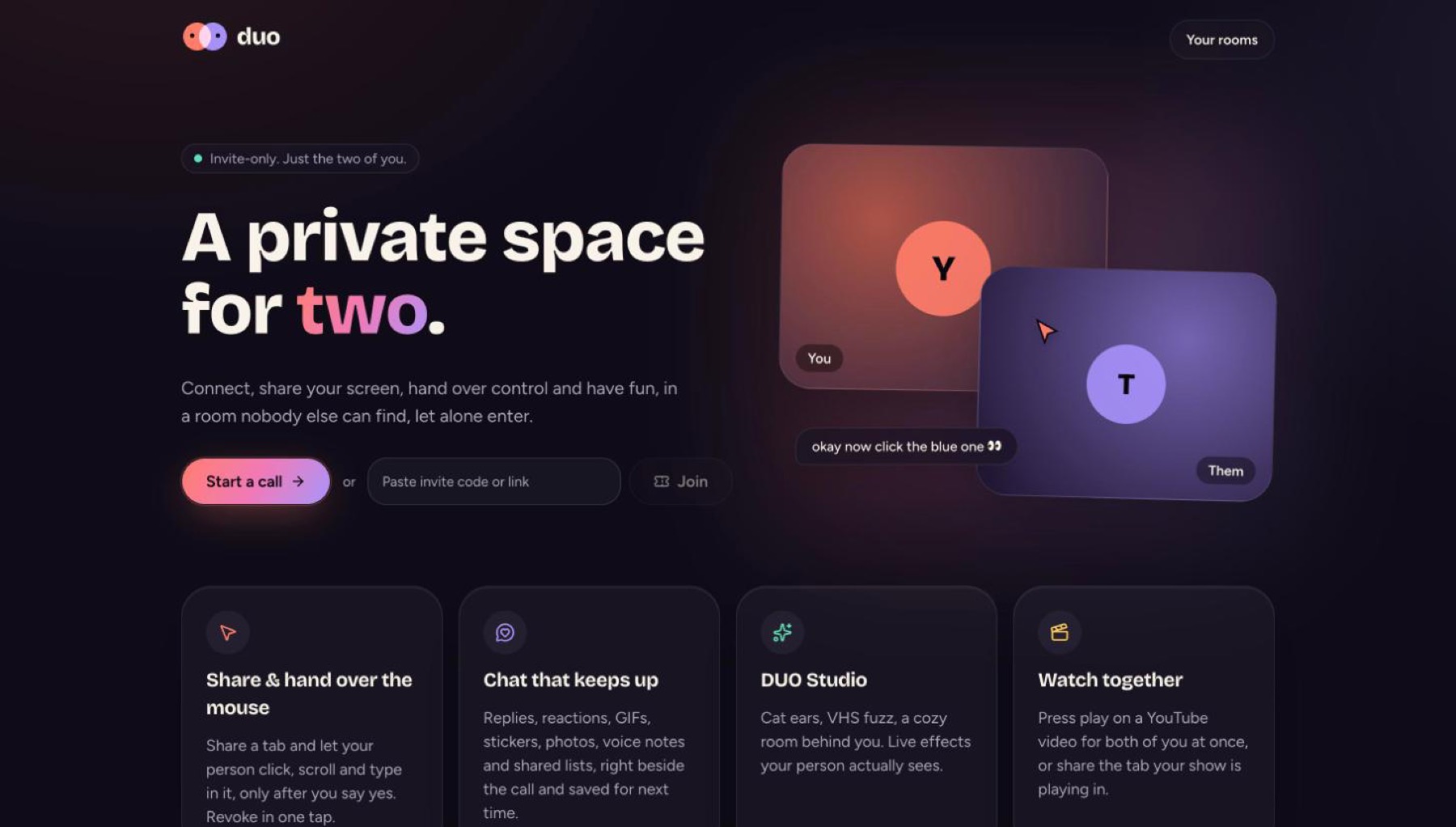
I'm Mihir. I study computer science at VIT, build apps for the web and iPhone, and write research on AI, security and policy. I care a lot about the small details that make software feel right.
Four projects up top: one web app and three iPhone apps. Everything else is in the index below.
A private space for two people, with encrypted calls, chat, shared lists and YouTube you can watch together. I wanted the most private app on your phone to also be the calmest one.
Read the case study →Ready for a harmonious day?
Mihir is taking care of the kitchen today. Thanks for pitching in!
Managing chores and routines
Managing chores and routines
Shared expenses & bills
Paid by: Mihir
Paid by: Priya
Paid by: Tanya
Celebrating our team balance
House rules everyone signed up to
Chores for flatmates. Everyone can see who has done what, so there's less to argue about.
The home screen answers that before anything else, then shows how the week's work is split across all four flatmates.
Every chore has an owner and a streak. Ticking one off strikes it through, so you can see what is left.
A day picker and a timeline pin each chore to a time and a person, colour-coded by flatmate.
Rent, internet and electricity divided per person, with who paid and what each flatmate owes.
A fairness meter and a weekly activity chart turn "I always do the dishes" into something the whole flat can check.
Case study →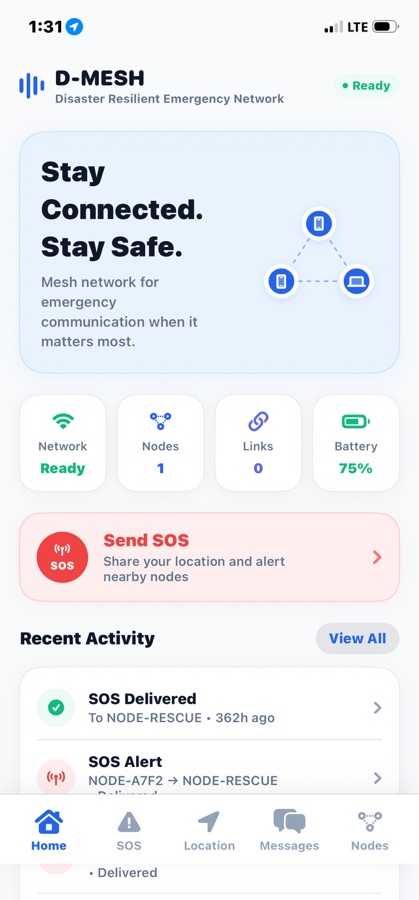
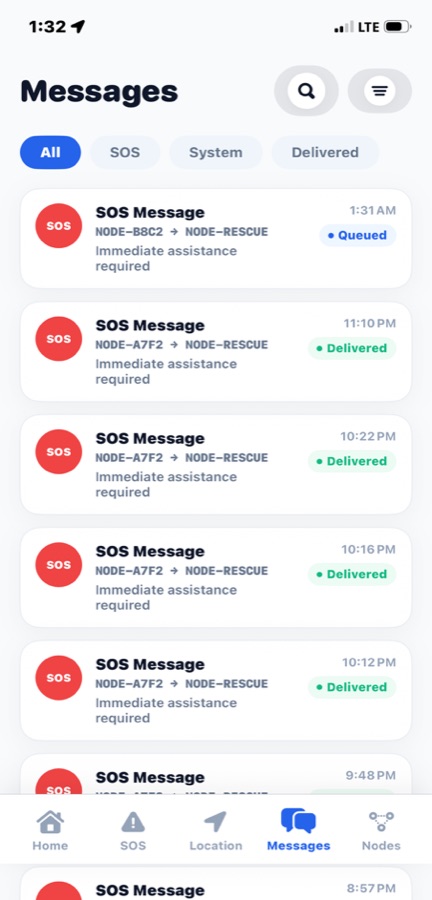
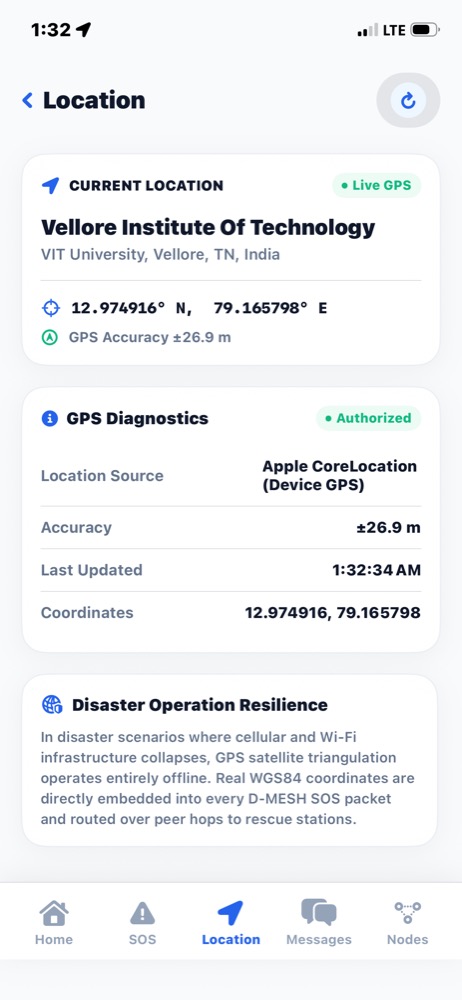
An offline emergency network for iPhone. When towers fail, phones pass SOS messages to each other until one reaches a rescue station.
Network, nodes, links and battery are the first thing you see. The red SOS card shares your location and alerts every nearby node.
Each SOS shows the route it took, from node to rescue station, and whether it is queued or delivered.
GPS still works without a network, so each SOS packet carries real coordinates from one hop to the next.
Multi-hop forwarding has been checked in simulation and automated tests. It has not been tested across several physical phones yet.
Case study →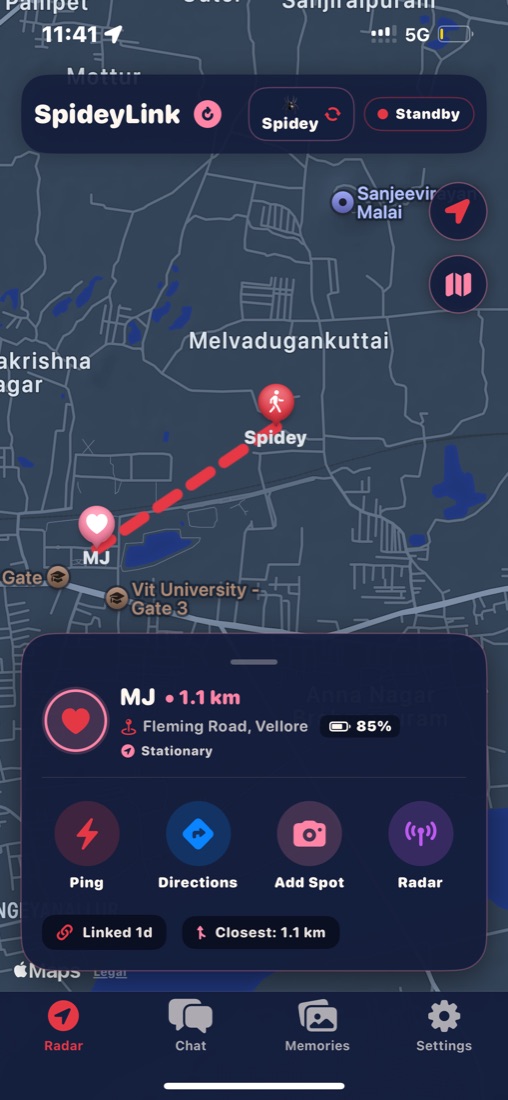
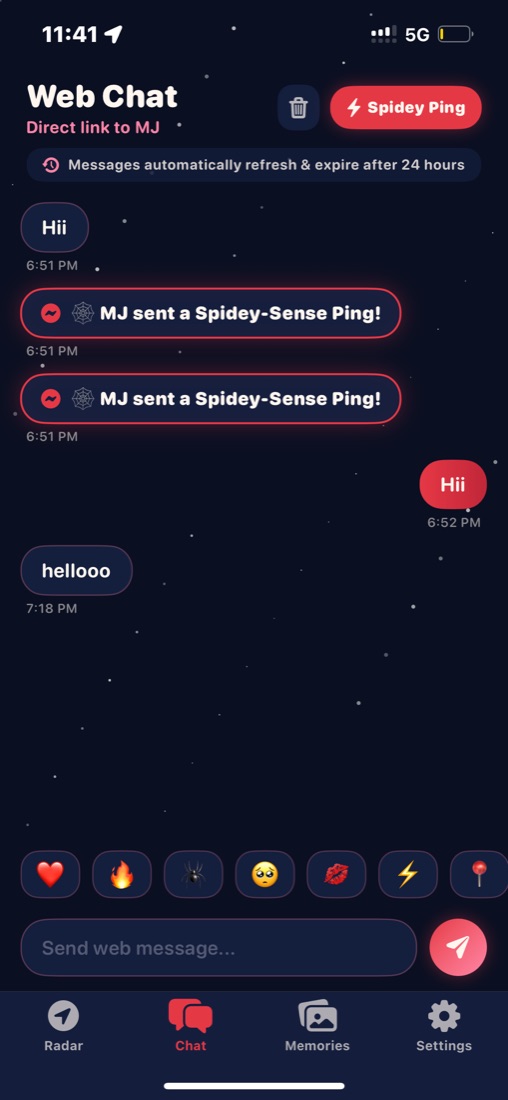
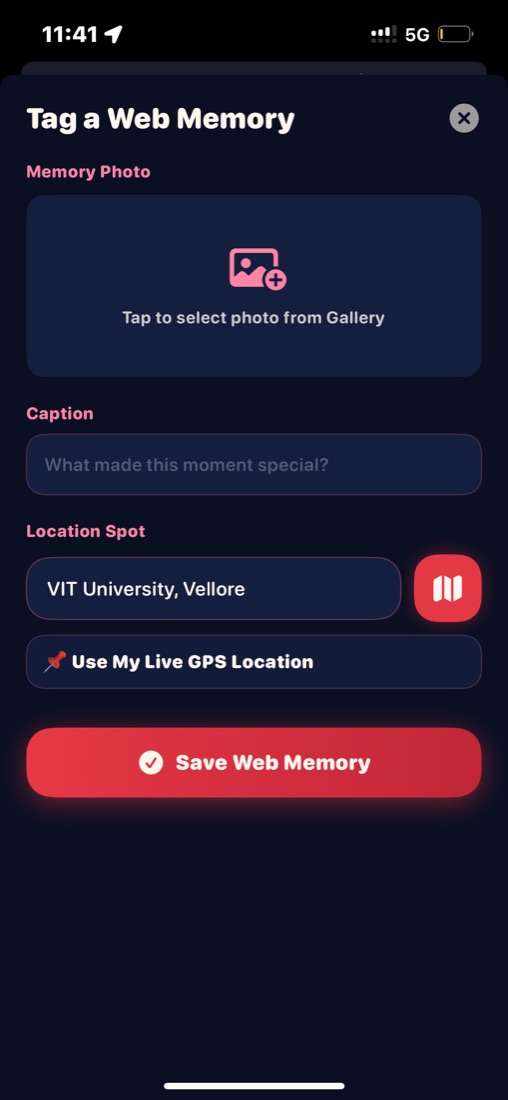
My attempt at the Spidey tracker from the Spider-Man films: a Find My for two people.
See where your person is, how far away they are, their battery and whether they're moving. From there you can ping them, get directions or drop a spot.
A private chat with one-tap Spidey-Sense pings. Messages refresh and expire after 24 hours.
Save a photo and a caption to the place it happened. Pick the spot on the map or use live GPS.
Case study →I design in Figma, build for the web by hand and ship native apps in Swift. The part I enjoy most is the gap between a mockup and something that feels right under your thumb.
Flows, states and the words on the buttons. I start with the person using it, then work through the empty screens, the error messages and what they see the second time they open it.
Figma · Wireframes · Prototyping · UX writing
I write the HTML, CSS and JavaScript myself, with semantic markup, motion that switches off for people who ask for less of it, and phone layouts designed for phones instead of shrunk down.
HTML · CSS · JavaScript · Next.js · Supabase
Native apps in Swift, from a Supabase-backed client to a peer-to-peer messenger that works when the network doesn't.
Swift · Xcode · Supabase · Peer-to-peer
Seen in — SpideyLink, D-Mesh, DUO for iOS
Three projects about what happens to a technical system after it is built: who uses it, who it answers to and what it costs.
A forensic AI tool can tell you a video is fake. It cannot tell an institution what to do about that finding. This essay compares how India, Singapore and Malaysia are each deciding who gets to declare something false.
The work grew out of DeepTrace and a summer of conversations with researchers at ISIS Malaysia's Centre for Responsible Technology, the Khazanah Research Institute, the National University of Singapore and Nanyang Technological University.
Almost everyone I spoke to agreed on one thing. Detection, however accurate, cannot decide on its own who has the authority to call something synthetic.
“Detection is being legislated faster than the legal weight of detection itself.”— from the essay, on India's 2026 IT Rules amendment
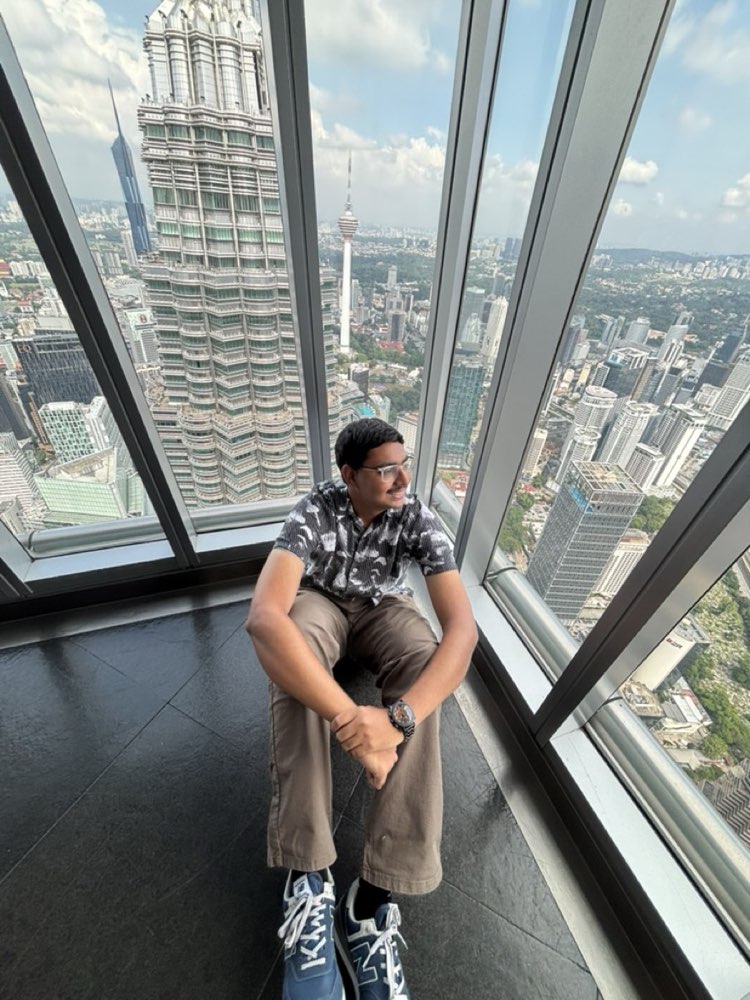
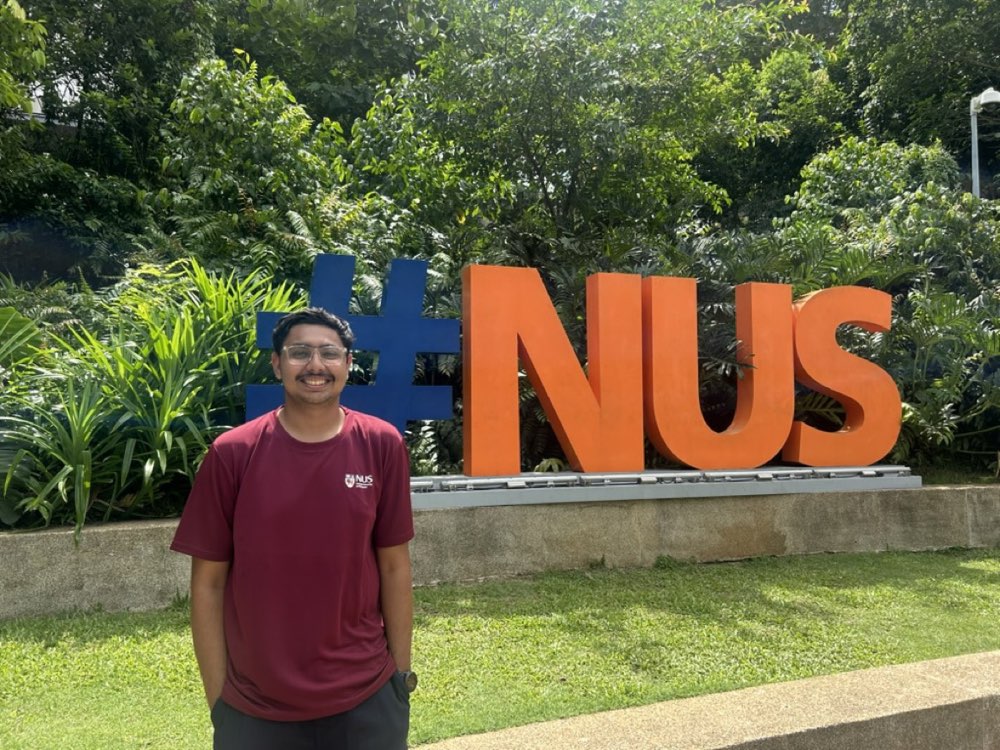
From the fieldwork: 40+ days across Malaysia and Singapore, summer 2026.
Small and medium enterprises generate security telemetry but rarely employ analysts who can read it. SentinelAI is a layered design that links scattered alerts into one account of what happened during an intrusion.
Telemetry is normalised to an OCSF-aligned schema, scored by an Isolation Forest working alongside deterministic rules, and correlated by shared entities and time windows into candidate attack chains mapped to MITRE ATT&CK, with D3FEND supplying countermeasures.
The language model sits strictly downstream. Layers one to four contain no LLM; layer five only explains a structured, validated incident record. No experimental evaluation has been performed yet. Testing on CICIDS2017 and an Atomic Red Team lab is planned.
Interactive — select a layer
Endpoint, network, authentication and cloud telemetry is collected and normalised into a schema aligned with the Open Cybersecurity Schema Framework.
Dashed line = the model boundary. Nothing above layer five uses a language model.
In a semi-arid district where groundwater is already over-drawn, every extra kilolitre pumped on campus comes out of an aquifer shared with the farms around it. This study looks at water and energy as one system.
We reconciled conflicting indicators across VIT's audit reports and built an integrated water–energy balance, treating pumping, treatment and reuse as electricity problems as much as water problems.
The result is seven phased recommendations, each with an owner, a timeframe and a progress indicator, ordered so that measurement comes before optimisation.
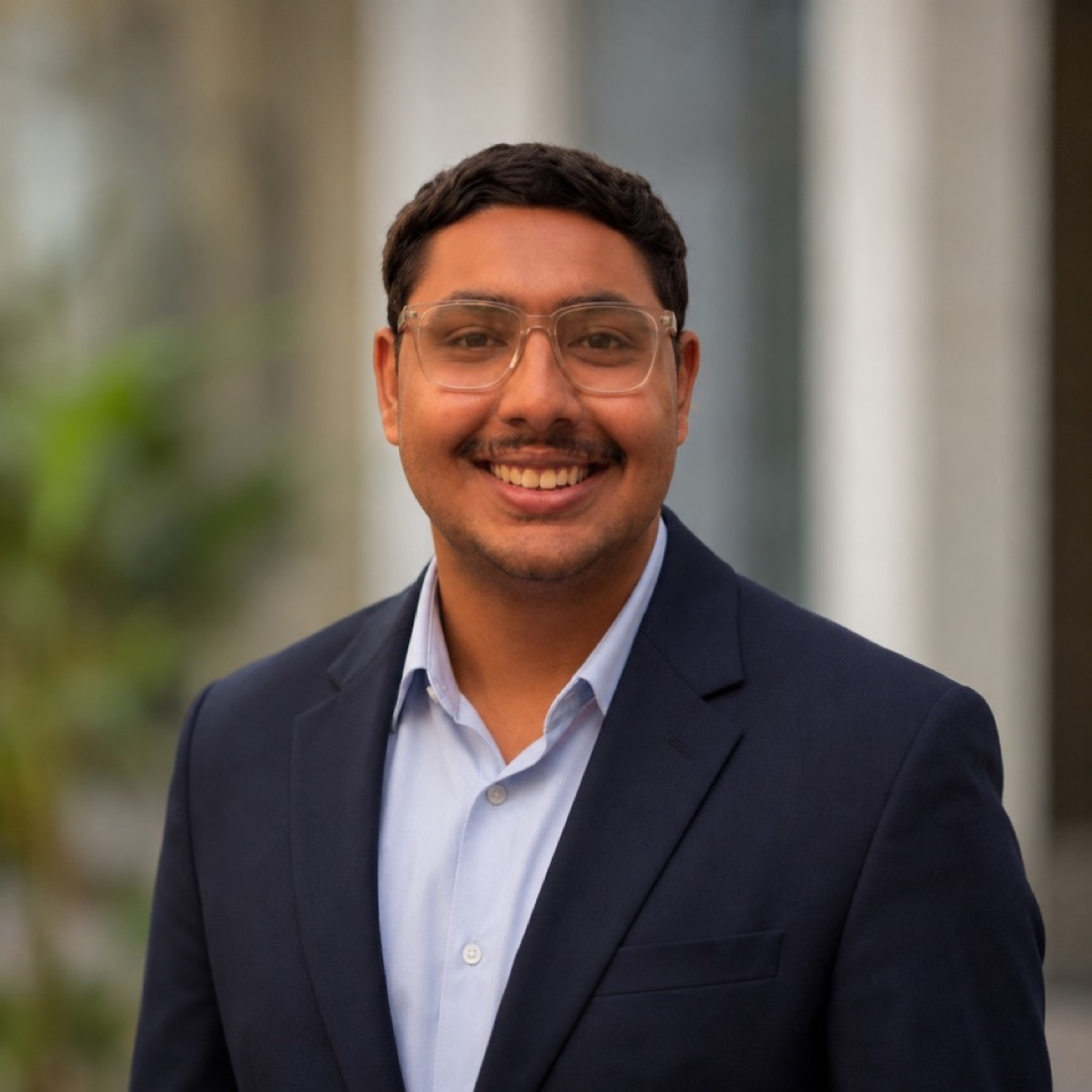
I'm drawn to problems that don't fit neatly into one discipline.
Computer science gives me the tools to build. Research helps me question. Writing helps me understand. And working with people reminds me why any of it matters.
I like moving between engineering, policy, design and writing, and seeing what happens when an idea from one of them turns up in another.
Lately that has mostly meant interfaces: designing them in Figma, building them for the web, and shipping them natively on iOS.
Vellore Institute of Technology
B.Tech, Computer Science & Engineering · 2025–2029
Delhi Public School, Bopal
Ahmedabad · CBSE Class XII, 2025
UI/UX Design, Front-end Development, iOS Development, Artificial Intelligence, Machine Learning, Algorithms, Cybersecurity, Digital Forensics, Data Visualization & Technology Policy.
English · Hindi · Gujarati · Marathi
Clubs, competitions, debates and one literature festival.
Phase 1 participant · see Barça Lab
A competition by Metrica Sports, FC Barcelona and Mobile World Capital Barcelona. Building a local Python pipeline to estimate ball possession for every frame of a professional football match, optimised for the official spellF1 metric.
Core Member, Blockchain & Technology Club
Organising technical events and hackathons, including hosting VinHack at Gravitas ’26.
Google India Talent Engagement
Qualified and competed in the March 2026 coding challenge.
Concept architecture
Developed the conceptual architecture for a drone-based anti-poaching solution.
Deputy Secretary General & Delegate
Directed communications, moderated debates and drafted official correspondence and event scripts.
Volunteer, 8th Edition
Supported logistics and guest operations.
Olympiads, mountains and a basketball court, from my school years.
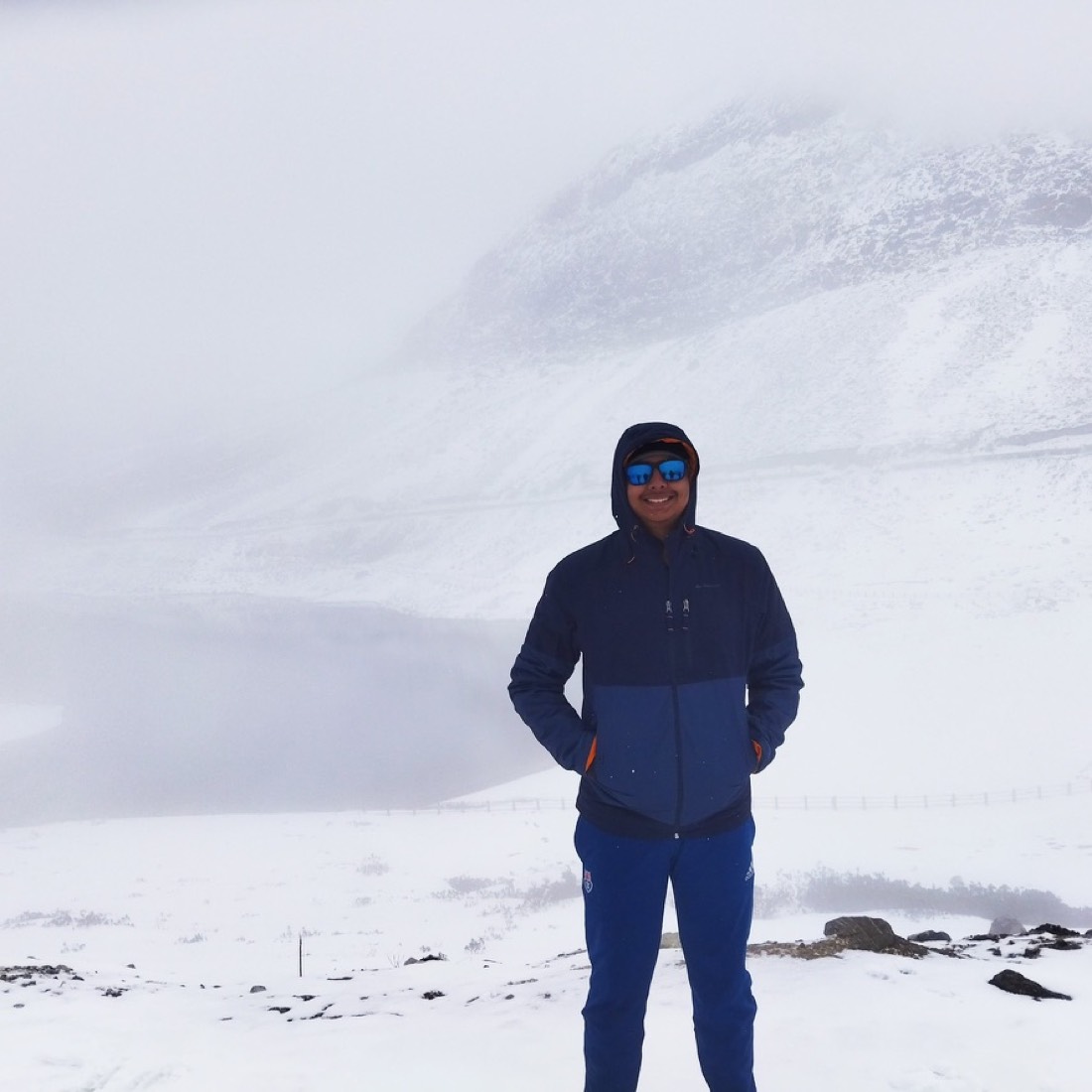
Football got me interested in systems: shape, space and timing. Barça is my club, and Barça Lab came out of that.
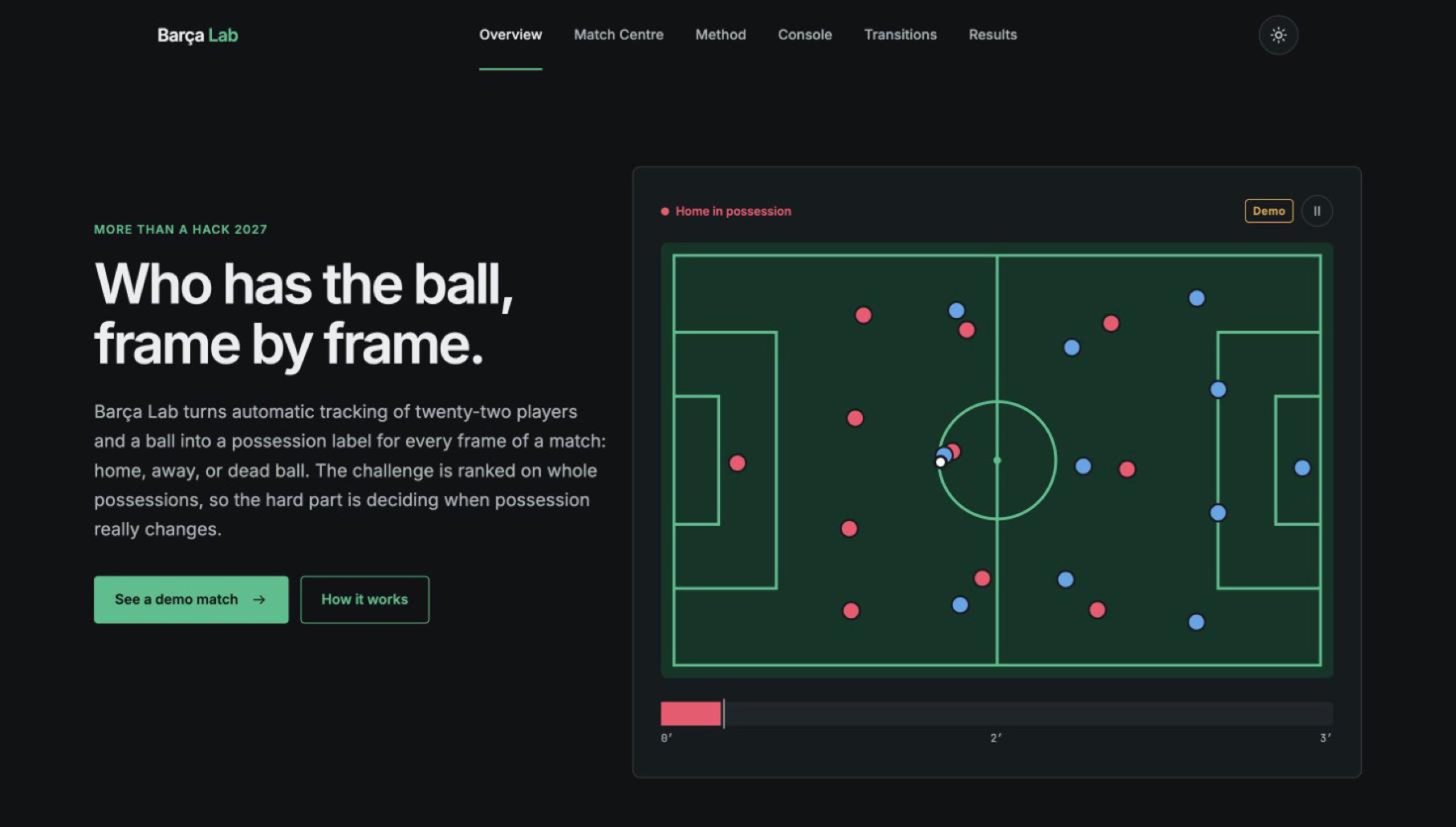
Automatic tracking of twenty-two players and a ball, turned into a possession label for every frame of a match: home, away or dead ball. The hard part is deciding when possession really changes.
Some ideas need to be built. Others need to be written down.
“Over forty days. Three countries. Countless kilometres. If you ask me what I saw, I will tell you almost nothing about the places.”
Read on Medium ↗
“They say love is an abstract thing — patience, kindness, a feeling, a script written for a silver screen. But for me, love has never been a concept.”
Read on Medium ↗
“Tucked away comfortably against the left wall in my room is a curious piece of furniture… as the five shelves began to fill with books, the dimensions of the book case slowly evolved into a looking glass.”
Read on Medium ↗
Elsewhere on the internet —
Open to conversations, collaborations, interesting problems and ambitious technical work.
[ Say hello ] ruwalamihir@gmail.comA personality assessment system with sixteen archetypes and nine interface languages
Team of fiveFlask · PythonFrame-by-frame analysis of synthetic video
Python · TensorFlowStreamlitA mission-aware on-board database for autonomous CubeSats, tested on NASA ELFIN-B data
SQLite · PythonTeam of four